Sexual Assault Is Not on the Syllabus
An alarming number of college students experience sexual violence every year. Together, we can put an end to the high-risk “red zone” and create safer campuses.

Sexual violence is not an inevitable part of college. Learn what the research tells us about the “red zone”—and how students can work together to prevent it.
Get the Facts About the Red Zone
What Is the Red Zone?
The term “red zone” refers to a student’s first few months at college, when the risk of sexual assault is especially high.
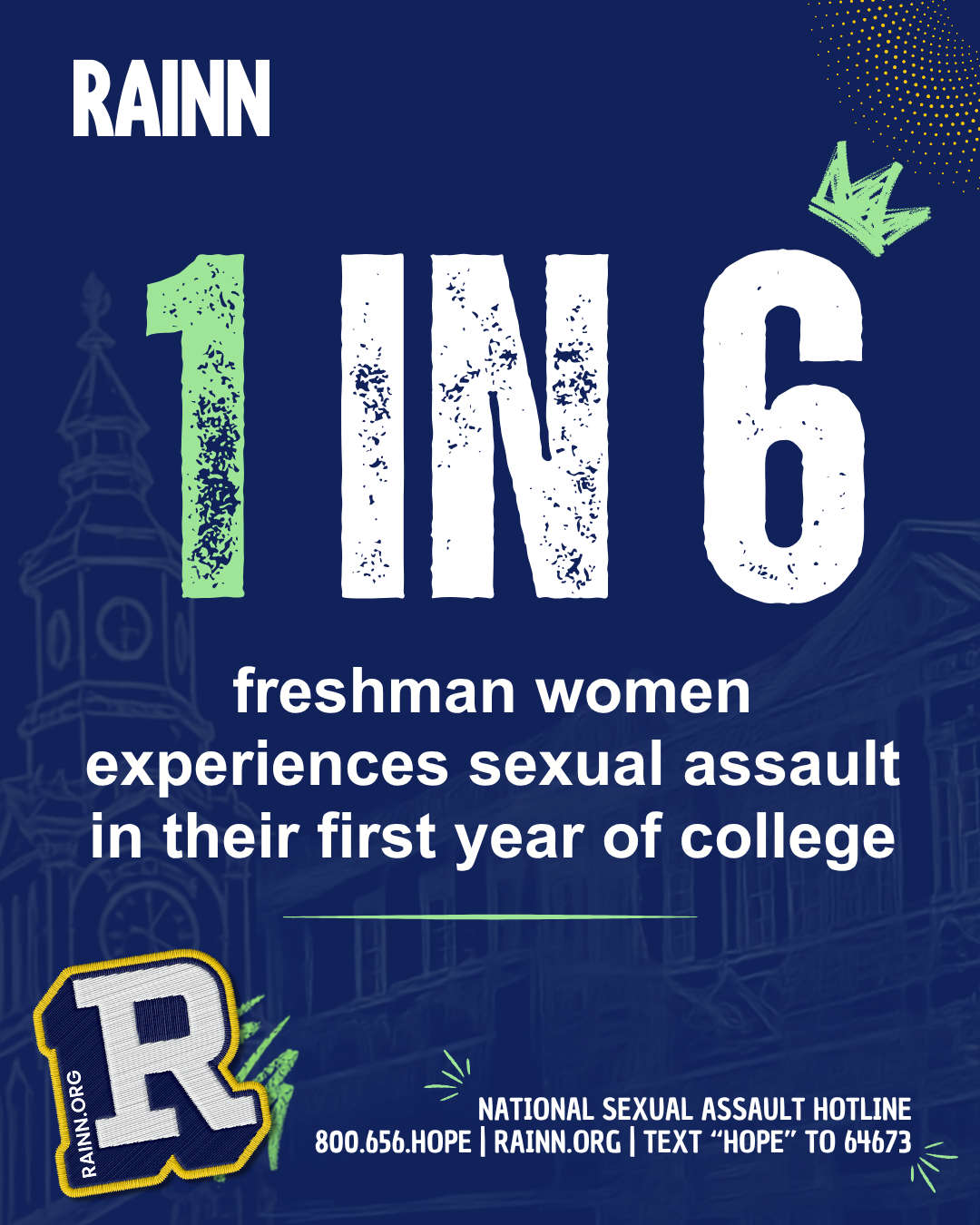
While sexual violence occurs across every academic year, 1 in 6 freshman women experiences sexual assault in their first year of college.
Why Do We Call It the Red Zone?
In a 1988 book, journalist Robin Warshaw called the beginning of college the “Red Zone of danger.”
The term also references the point in a football game when a team is most likely to score.
Research has shown that reports of rape increase by 41% on college football home-game days.
What Does Sexual Violence Prevention Look Like on Campus?
Prevention demands action. If we want to prevent sexual violence, we have to think bigger than safety tips and the buddy system.
Student communities can start here:
- LEARN skills
- CHALLENGE harmful attitudes and beliefs
- CHANGE campus environments
- STRENGTHEN policies and response

See the Statistics on Campus Sexual Violence
Explore the latest research and learn how data can strengthen prevention, justice, and healing.
4 Steps for Safer College Campuses
#1: Learn
Students can learn practical skills for building healthy relationships and stepping in when something isn’t right.
Colleges can provide interactive, multi-session programs that help students understand consent, recognize harmful behavior, build healthy relationship skills, and practice safe bystander intervention.
When harm isn’t normalized, students are less likely to tolerate abusive actions and more likely to seek help if something happens.
#2: Challenge
Challenge attitudes and beliefs that can enable sexual violence and shield perpetrators from accountability.
Peers have influence. And coaches, residence hall advisors, student organizations, and other trusted leaders can help students question harmful ideas about social roles, sex, relationships, and violence.
Continued conversation makes it easier for students to speak up when someone crosses a line.
#3: Change
Change campus environments to make prevention visible and to prioritize safety.
Campus leaders can support ongoing prevention efforts and run education campaigns. They can also identify areas where students may face greater safety concerns and take steps to address those risks.
Prevention should be part of campus life throughout the year, not just a one-time orientation message.
#4: Strengthen
Strengthen the campus policies and community partnerships that power meaningful sexual violence prevention and response.
Colleges can work with their surrounding communities to discourage excessive substance use, enforce responsible alcohol and drug policies, and improve how sexual violence is reported and addressed both on and off campus.
But remember: policies only help when people understand them, and institutions follow through.
When Campuses Get It Right
“My university did everything they could to help me.
The school provided an advocate for me—that’s not something I got with law enforcement. They also protected me while I was on campus.
After the perpetrator was unanimously found responsible at the Title IX hearing, the school instituted a no-trespass order, banning him from campus.
That was the first time I felt safe.”
– Samantha McCoy
5 Conversations to Have Before College Move-In Day
A RAINN guide for parents and families sending a student to college.
Spotlight: Making Campuses Safer
Changing Policy & Supporting Survivors
Tanishka Khanna
“You do not need to wait for someone else to fix a broken system. Students can organize, speak up, and help build policies that better support survivors.”
At American University, survivor Tanishka Khanna led student efforts to strengthen Title IX policy, expand survivor resources, and make campus systems more responsive. She helped win a policy change banning Title IX trials during finals week and trained student advisers to support survivors who did not have access to lawyers.

Transforming Harm Into Advocacy
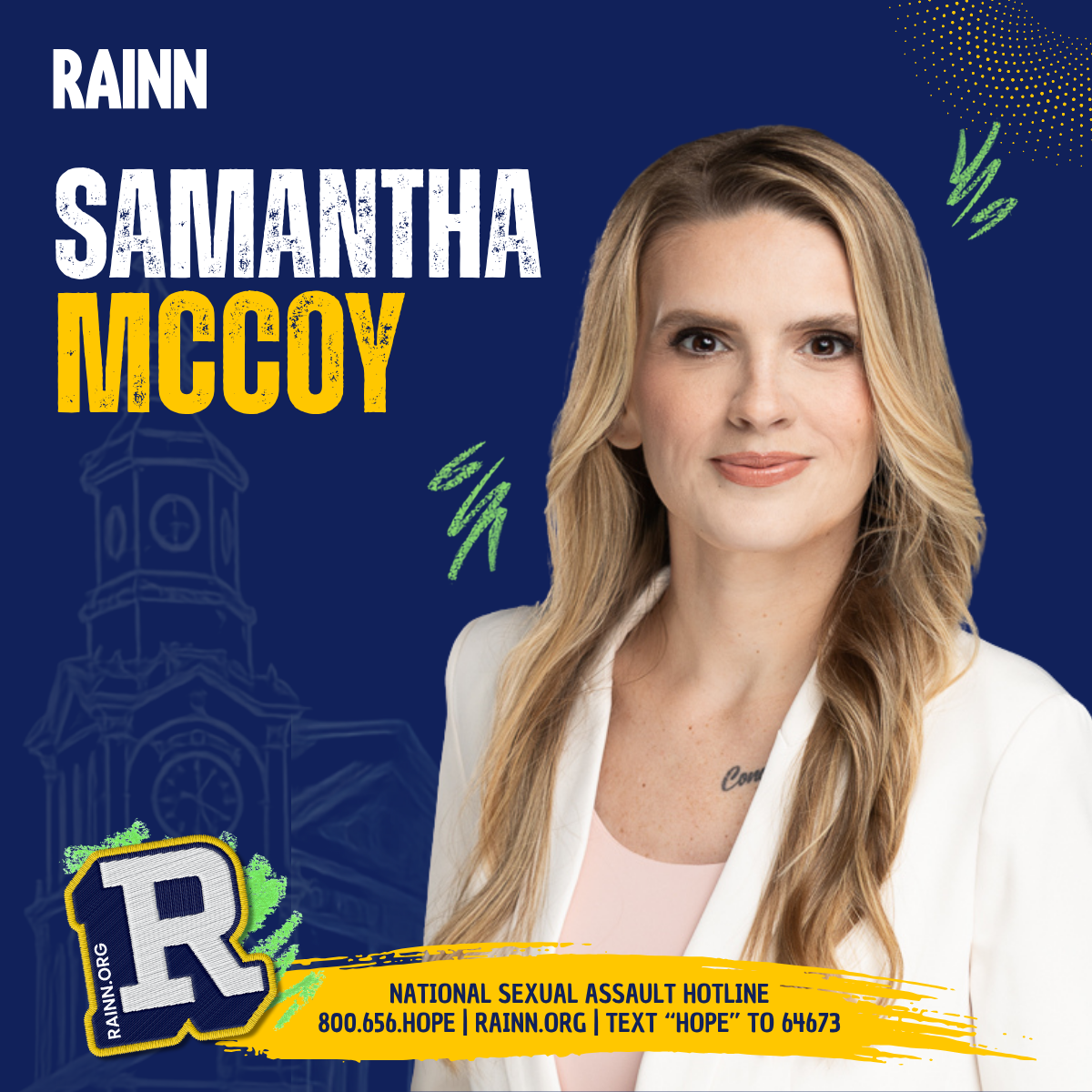
Samantha McCoy
“No student should have to learn about their rights only after experiencing harm.”
As a survivor of sexual violence and tech-enabled sexual abuse, Samantha transformed her experience into advocacy after her university helped her remain enrolled and safe.
Her advocacy focuses on helping colleges and universities improve policies, training, and responses related to tech-enabled sexual abuse. Samantha also teaches bystander intervention to students throughout the year, including during Red Zone Week and Sexual Assault Awareness and Prevention Month, and regularly presents programs for fraternities and sororities. She continues to advocate for stronger Title IX education and practical, trauma-informed support for students navigating reporting, investigations, hearings, and appeals.
Turning Red Flags Into Resources
Ella Macduff
“Understanding ourselves is crucial to both safety and healing. When students have the tools to identify risky behavior patterns in themselves and others, trust their instincts, and recognize when something doesn’t feel right, they’re better equipped to look out for themselves and each other, help prevent sexual violence, and respond to survivors with real support.”
After experiencing drink spiking while home on break during her freshman year at University of Maryland, Ella Macduff co-founded Chasing Red Flags Opens in a new tab with her mother, Teri. Working with psychologists, they created a therapist-approved journal designed to help people recognize red flags, build self-awareness, and support healing and personal growth.

What Survivors Want Colleges to Know About Prevention & Response
Teach Consent
“Prevention has to start much earlier. I wish consent, boundaries, and recognizing pressure were really taught in school, not just hinted at. Real change would come from teaching people, from a young age, what respect and autonomy actually look like, and making it normal to speak up when something feels wrong.”
– Kira
Change Harmful Attitudes
“Teach boys to respect girls instead of basing ‘masculinity’ on rejecting all qualities considered ‘feminine.’ Let everyone be who they really are, a mix of traits and qualities, instead of enforcing violence, competition, and aggression as ‘male traits,’ and empathy, nurturing, and submission as ‘female’ traits.”
– Gina Larousse
Develop Empathy
“The arts have a powerful role in preventing sexual violence. Through film, storytelling, music, and creative expression, we can help survivors feel seen while giving entire communities an opportunity to understand experiences they may never have lived themselves. Stories build empathy in ways statistics alone cannot, and empathy is often the first step toward lasting cultural change.”
– Erica “EL” DuBois
Understand the Issues
“Universities should be prepared to help students targeted by another student, whether through AI-generated images or real ones. Schools should have clear policies and dedicated support systems, including hotlines and staff trained to assist with image removal. Most don’t.”
– Samantha McCoy
End Victim-Blaming
“The victim-blaming and attempts to discredit survivors need to stop. [People] can believe survivors and take action when they hear about or witness sexual violence. So many places still just try to sweep these situations under the rug, and that can’t keep happening if we want to achieve real change in our society.”
– Erin
Know How To Respond
“Awareness, knowledge, and training about this topic are the key. If health insurance agencies, doctors, professors, police, and all people were more aware and trained, I would not have been as traumatized. The professionals who were supposed to help me should have had protocols on what to do and how to help me, instead of blaming me for what happened.”
– JustASurvivor
3 Ways to Create a Safer, More Supportive Campus
#1: Join Our Community
Join the Fight for a World Free from Sexual Violence
Sign up for inspiring stories, important updates from RAINN, and tools to take action in your community.
#2: Claim Your Campus Action Kit
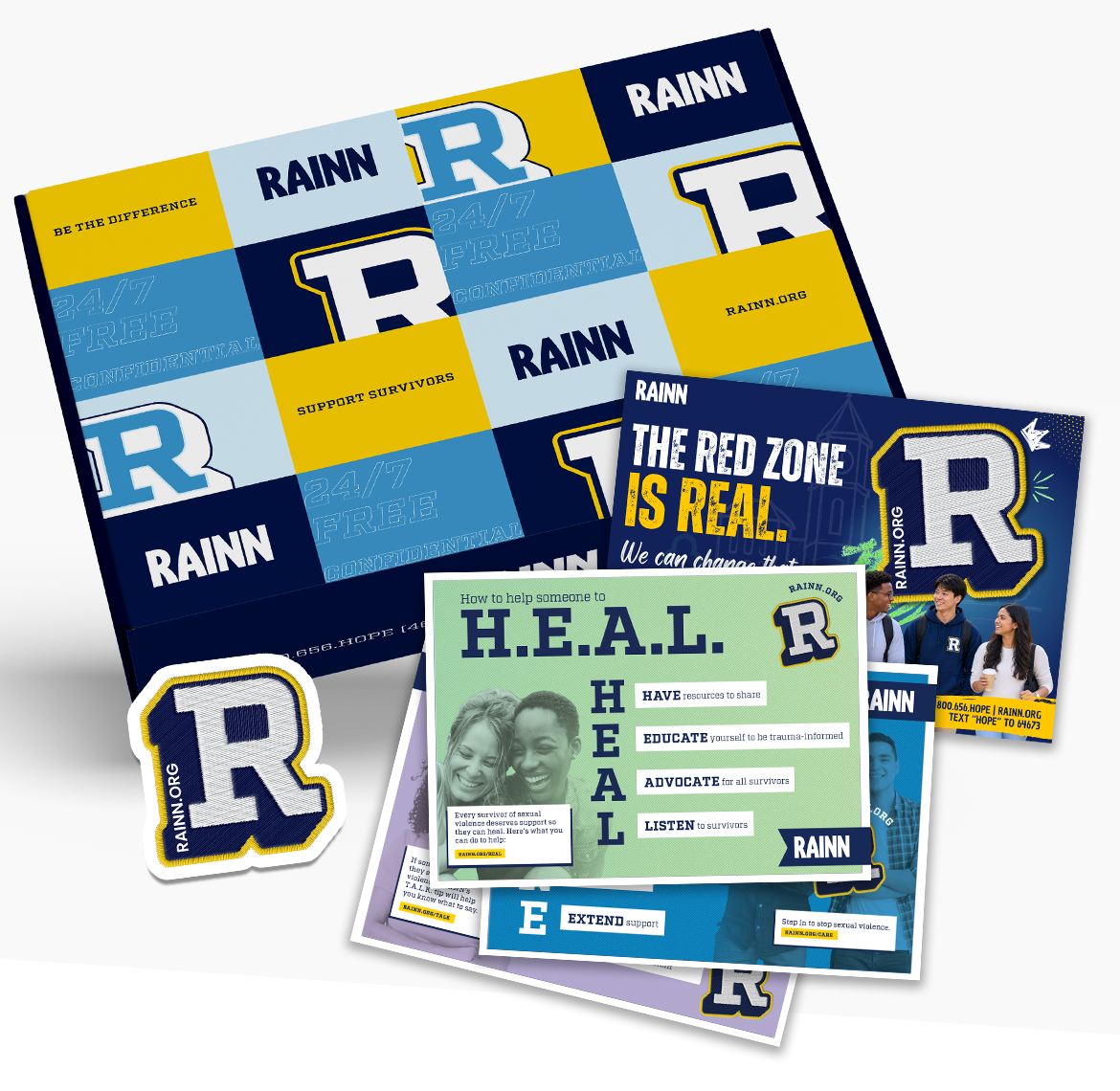
All 100 kits have been claimed—but you can still download the materials!
#3: Share the Facts on Social
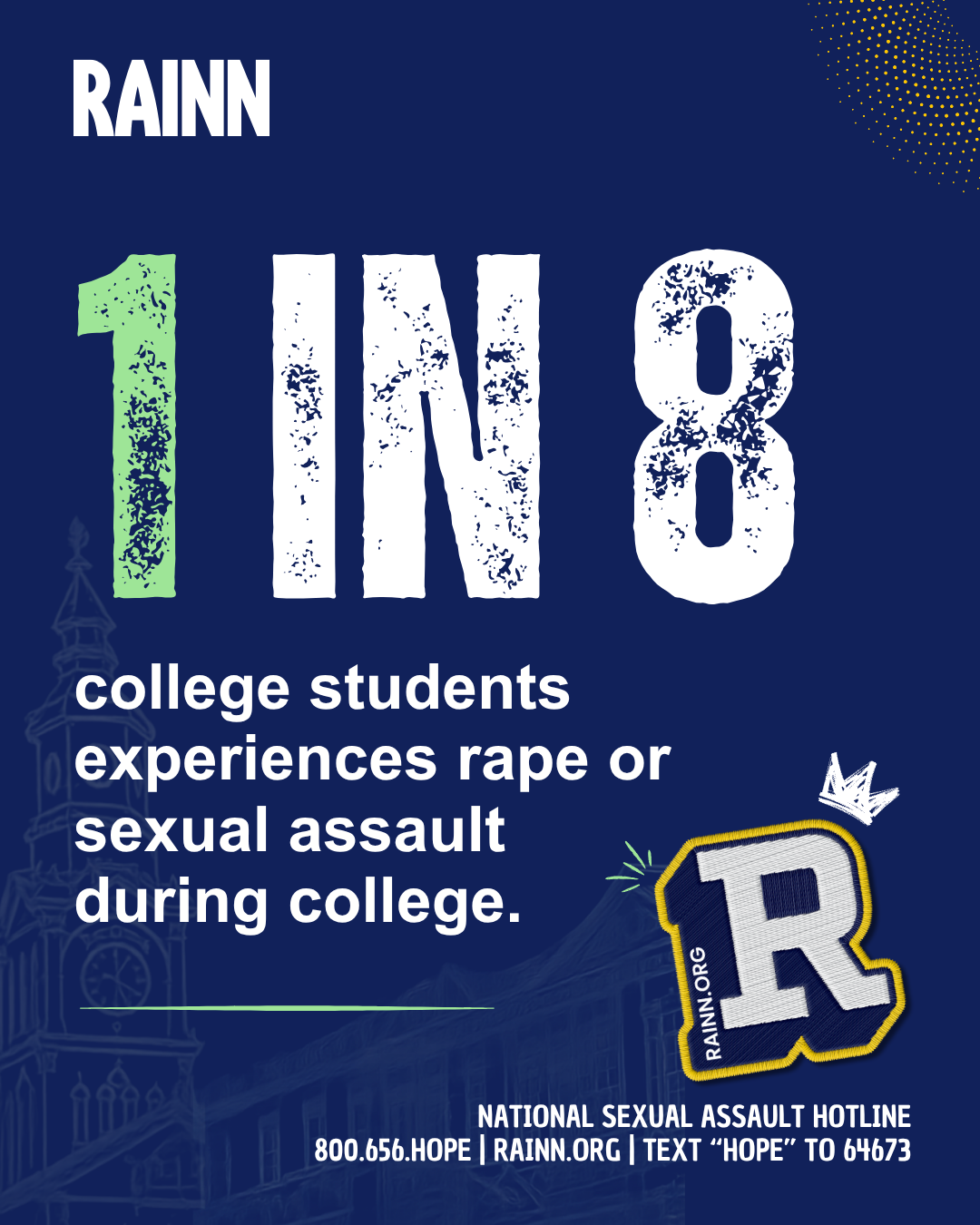
The latest Campus Climate Survey found that 13% of undergrad students experienced rape or sexual assault while in college.
That’s about:
• 1 in 4 women
and
• 1 in 14 men
who experienced “nonconsensual sexual contact by physical force or inability to consent” since enrolling at their school.
SOURCE: 2019 Campus Climate Survey
Understanding Risk
For many first-year students, adulthood is only a few months old. Last spring, they were still asking for hall passes. By fall, they may be navigating new freedom, relationships, parties, alcohol, and unfamiliar social expectations largely on their own.
The first few months of college are called the “red zone” because of the high risk of sexual assault and rape.
The risk is particularly high for undergraduate women, with 16% reporting “nonconsensual sexual contact by physical force or inability to consent” in their first year.
The risk diminishes only slightly over time. Sexual violence harms 14% of sophomore women, 12% of junior women, and 11% of senior women.
SOURCE: 2019 Campus Climate Survey
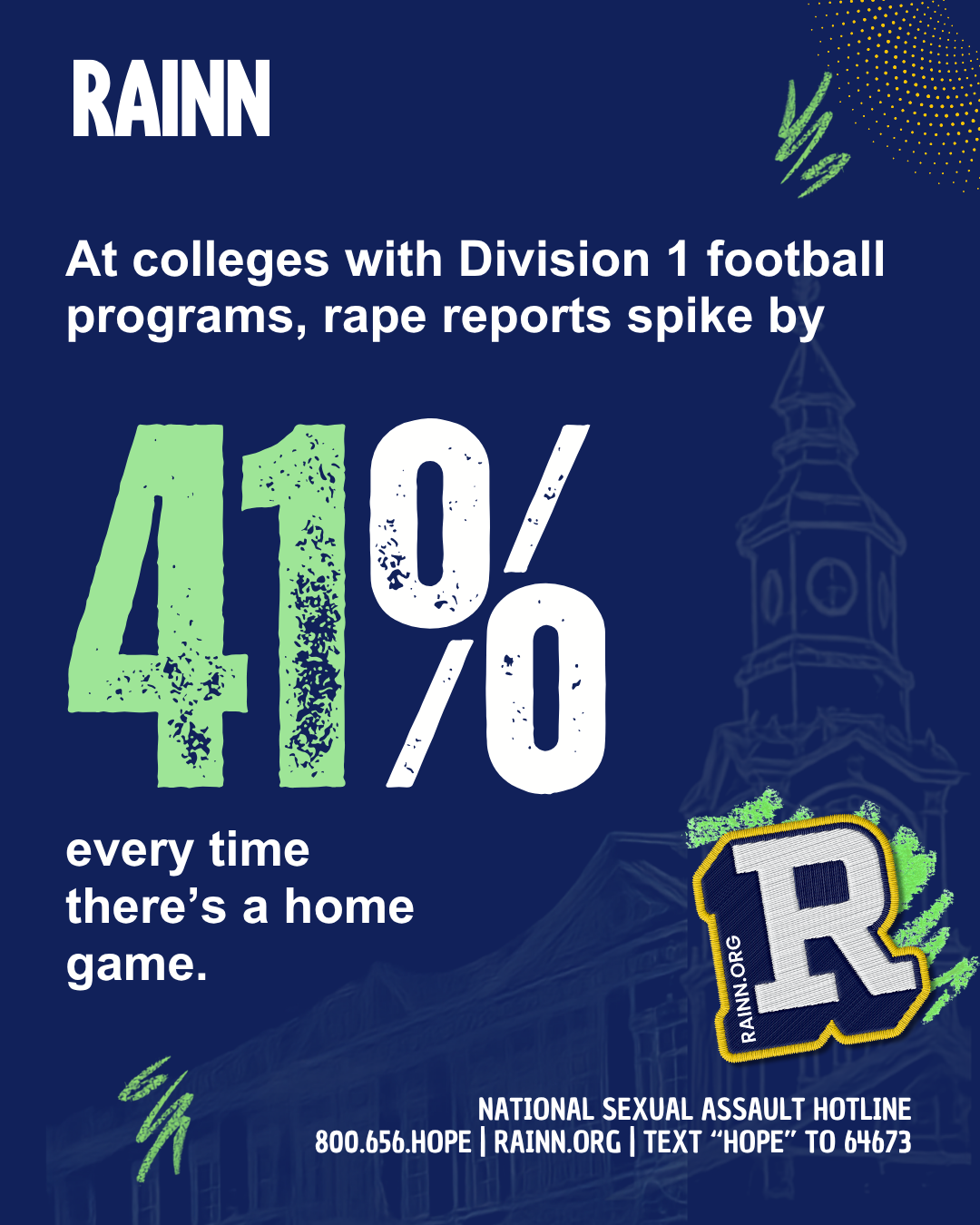
At U.S. colleges with Division 1 football programs, reports of rape increase significantly on game days.
During away games, rape reports increased by 15%.
During home games, rape reports increased by 41%.
Researchers suggest this is because game days coincide with more partying, alcohol use, social contact, and perceived opportunity—all of which can be linked to increased reports of rape involving college-age victims.
SOURCE: College Party Culture, 2018
3 More Ways to Get Involved
Start a conversation.
Use reliable facts to help classmates understand the issue, reject victim-blaming statements, and encourage questions.
While 1 in 14 men experiences sexual violence while in college, we don’t hear enough about the risk to men. Your story can help challenge assumptions about who sexual violence affects and help others feel less alone.

Tell your story. Change the narrative.
Join a global movement of survivors speaking out about sexual violence and survival.
Share Your Campus Action Updates
Did you take action on your college campus?
We want to hear about it!
If you or someone you know has experienced sexual assault, you are not alone. RAINN’s National Sexual Assault Hotline offers free, confidential, 24/7 support in English and en Español.
Call 800.656.HOPE (4673)
Chat at RAINN.org/hotline
Text “HOPE” to 64673